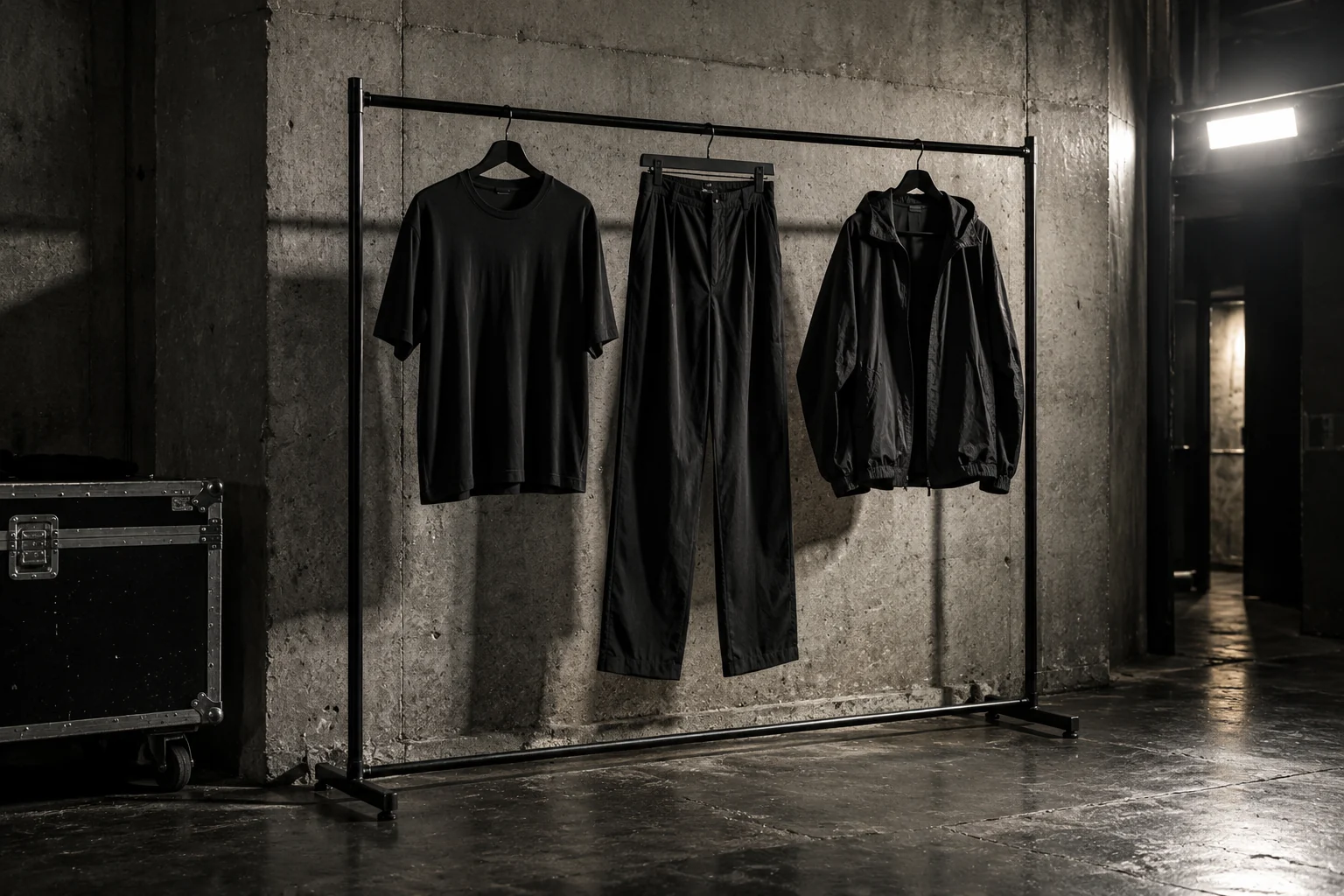

Techwear vs Warcore: Function, Shape and Styling
The same black pocket or strap can belong to different outfits. Compare the intended use, the construction and the visual role of each detail.
A black pocket, a strap across the chest, a hood pulled around the face. Those details can appear in both techwear and warcore outfits. The useful question is what role each one plays.
For this comparison, techwear starts with the way a garment works; warcore starts with a tactical visual language. The labels overlap, and people use them differently. They are useful directions for choosing an outfit, rather than fixed classifications of quality or performance.
Look at function and appearance separately
In a function-led techwear outfit, pocket access, room for movement, adjustment and the interaction of layers guide the choices. If you need weather protection, the specification of the actual garment matters too.
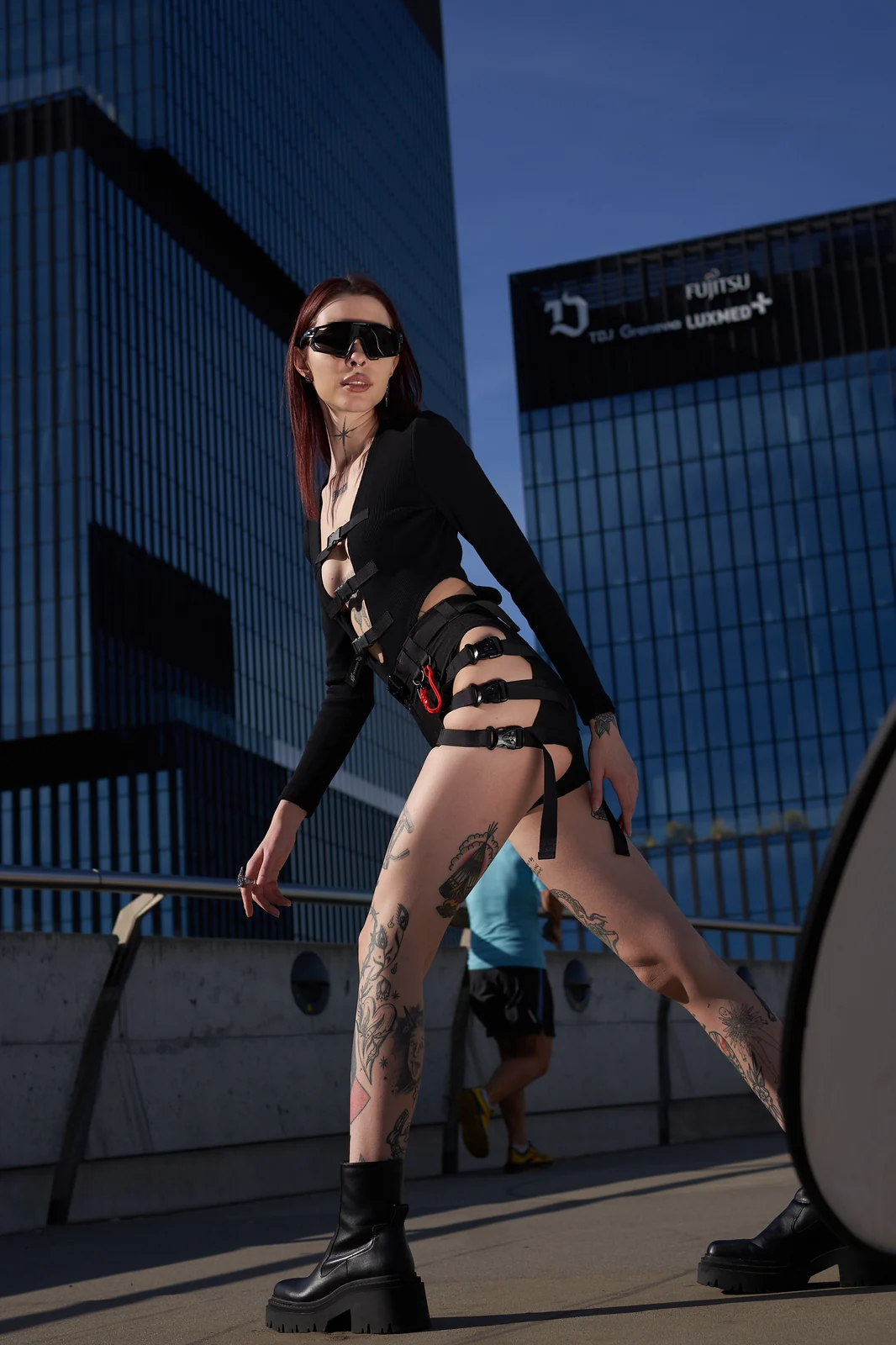
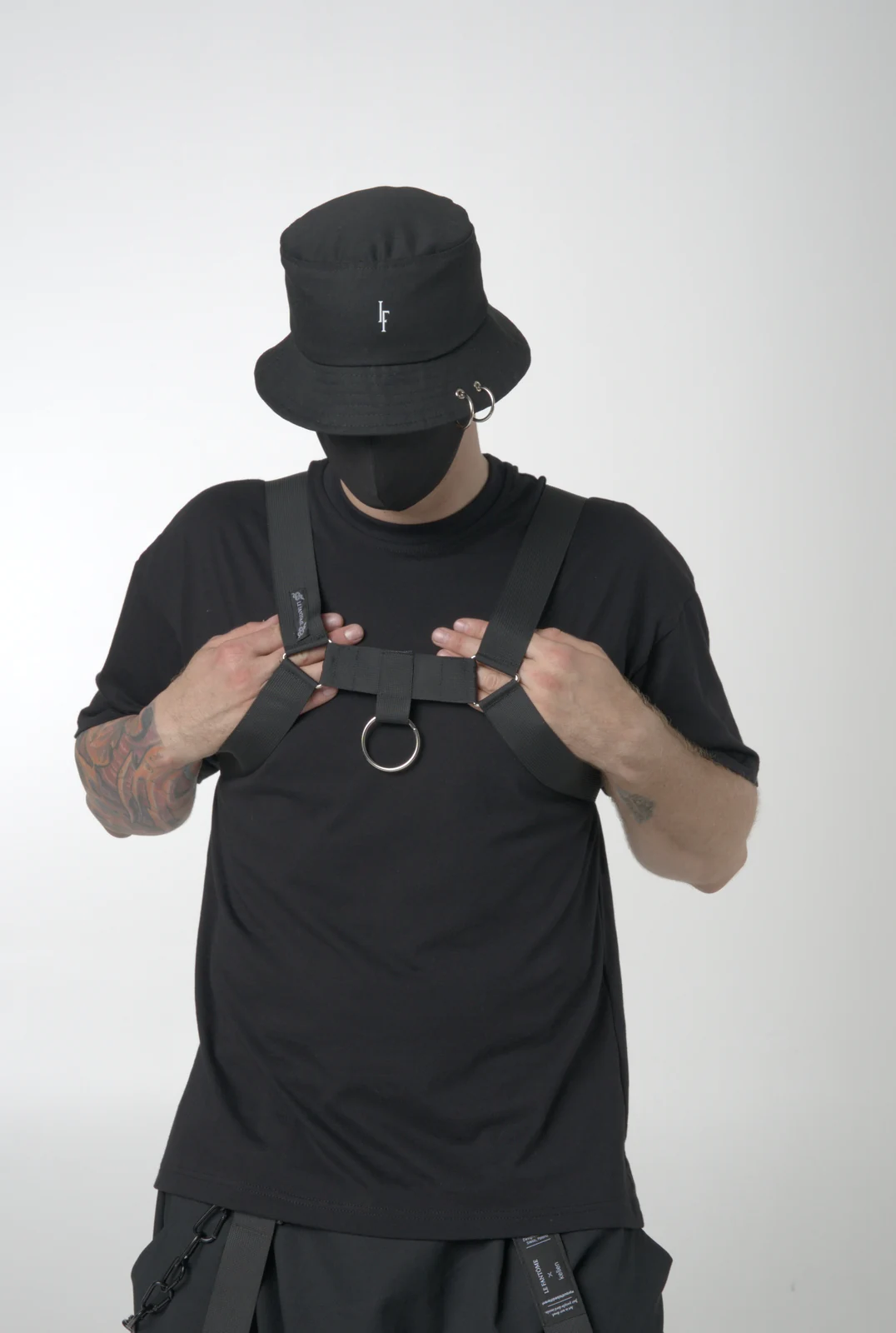
In the warcore direction used here, broad webbing, harness shapes, cargo pockets and substantial closures make the visual structure more prominent. A piece can also be useful. The appearance of tactical equipment alone does not tell you what it is designed or tested to do.
Compare warcore clothing through the silhouette and the details you want to wear. Keep any need for protective equipment separate from fashion styling; a fashion harness is a styling piece, not a statement of protective performance.
A practical comparison
Swipe or scroll to compare.
| Question | Function-led techwear | Warcore styling |
|---|---|---|
| Where do I start? | A daily use: movement, carrying or changing conditions. | A visual idea: webbing, a harness line, cargo volume or a strong closure. |
| What do I check? | Access, fit, adjustment and any stated material performance. | Proportion, placement and how the details move with the outfit. |
| Can the two meet? | Yes. A useful pocket can also define the silhouette. | Yes. A prominent buckle can close or adjust the garment. |
This is a way to read the clothes in front of you. It does not require every techwear outfit to be minimal or every warcore outfit to be covered in hardware.
Read a pocket beyond its outline
Two similar-looking pockets can work differently. One may be positioned for easy access under a jacket; another may sit where it gives the leg a wider shape. Open the pocket, place your usual item inside, close it and try the movement you expect to make.
Specific descriptions are useful here. For example, ACRONYM describes pocket access on one of its jackets in relation to other layers and its carrying arrangement. That kind of detail gives you something concrete to evaluate. Apply the same question to any garment: how does the feature work in the way you will wear it?
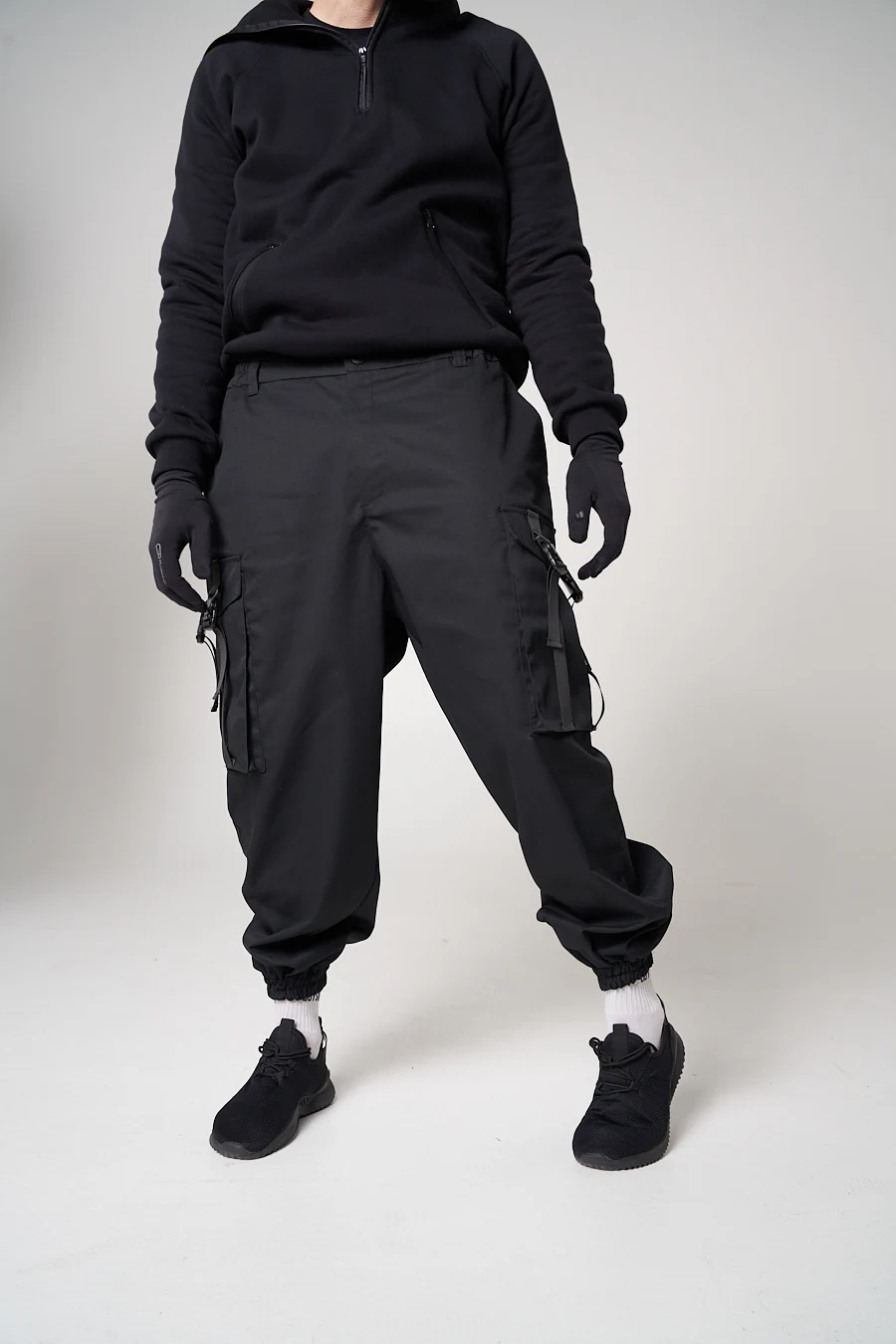
When looking at techwear pants, check the pockets with the complete outfit on. A long top or bag can change their accessibility. The answer belongs to that combination, rather than to the style label.
Build a quieter techwear outfit
Start with trousers that give you the fit and storage you need, a simple base and an outer layer suited to the day. Keep the silhouette clear enough to see how those pieces work together.
A techwear jacket can lead through its panel arrangement, collar or pocket placement. Try it over the base you will actually use. Check the shoulder room and whether the layer underneath folds where you do not want it to.
You can choose a dark palette without making every surface identical. A small contrast in texture or volume can make the construction easier to read. Add another piece when it changes something you want to change.
Build a stronger warcore silhouette
Choose one detail as the centre: a harness over a plain T-shirt, a broad cargo pocket, or the webbing on cargo pants with straps. Start with the rest of the outfit fairly quiet, then decide how much repetition you want.
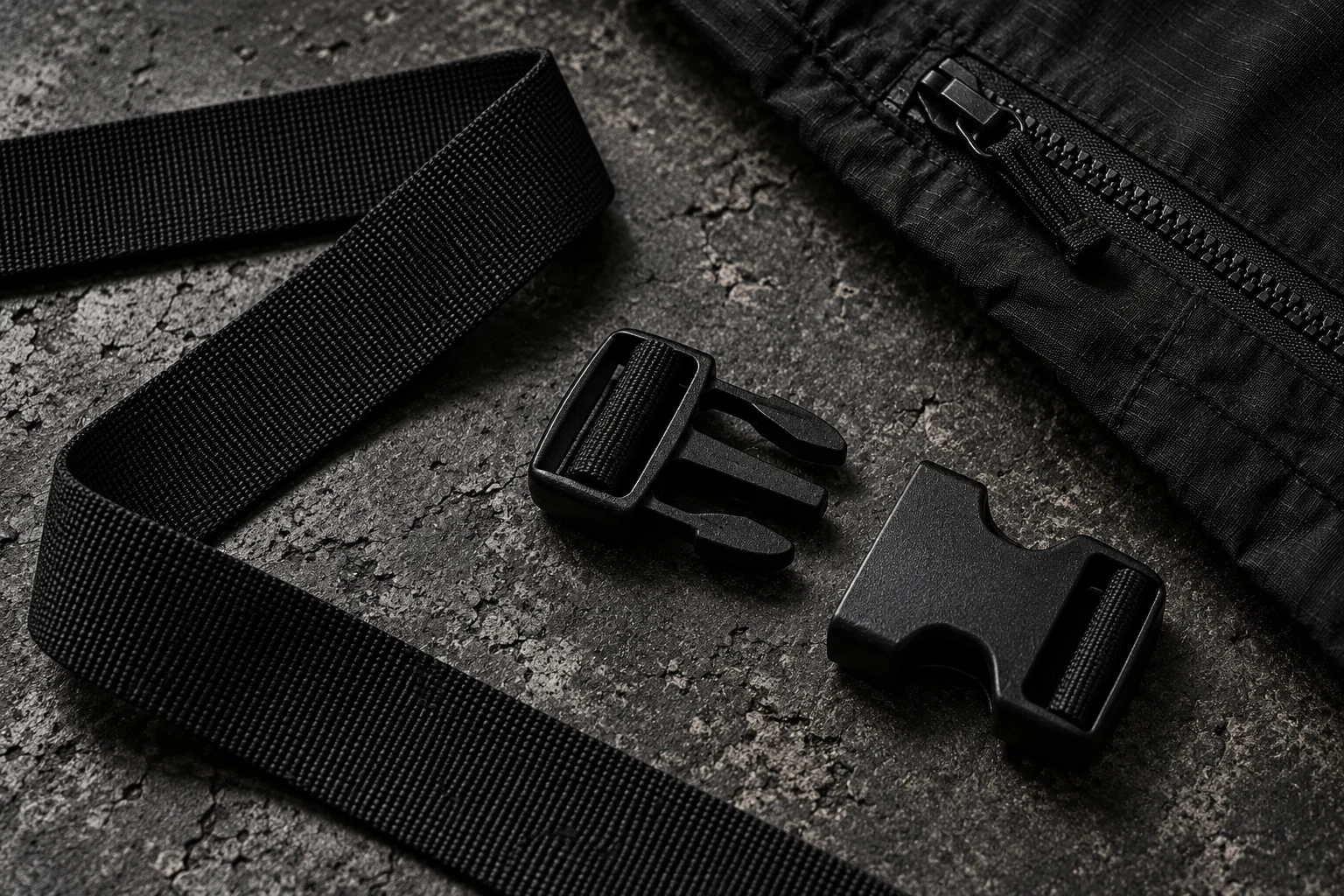
A line across the chest can connect to a waistband or pocket below it. A buckle can repeat elsewhere at a smaller scale. If every area competes equally, step back and look at the outline again. You may prefer a more concentrated arrangement.
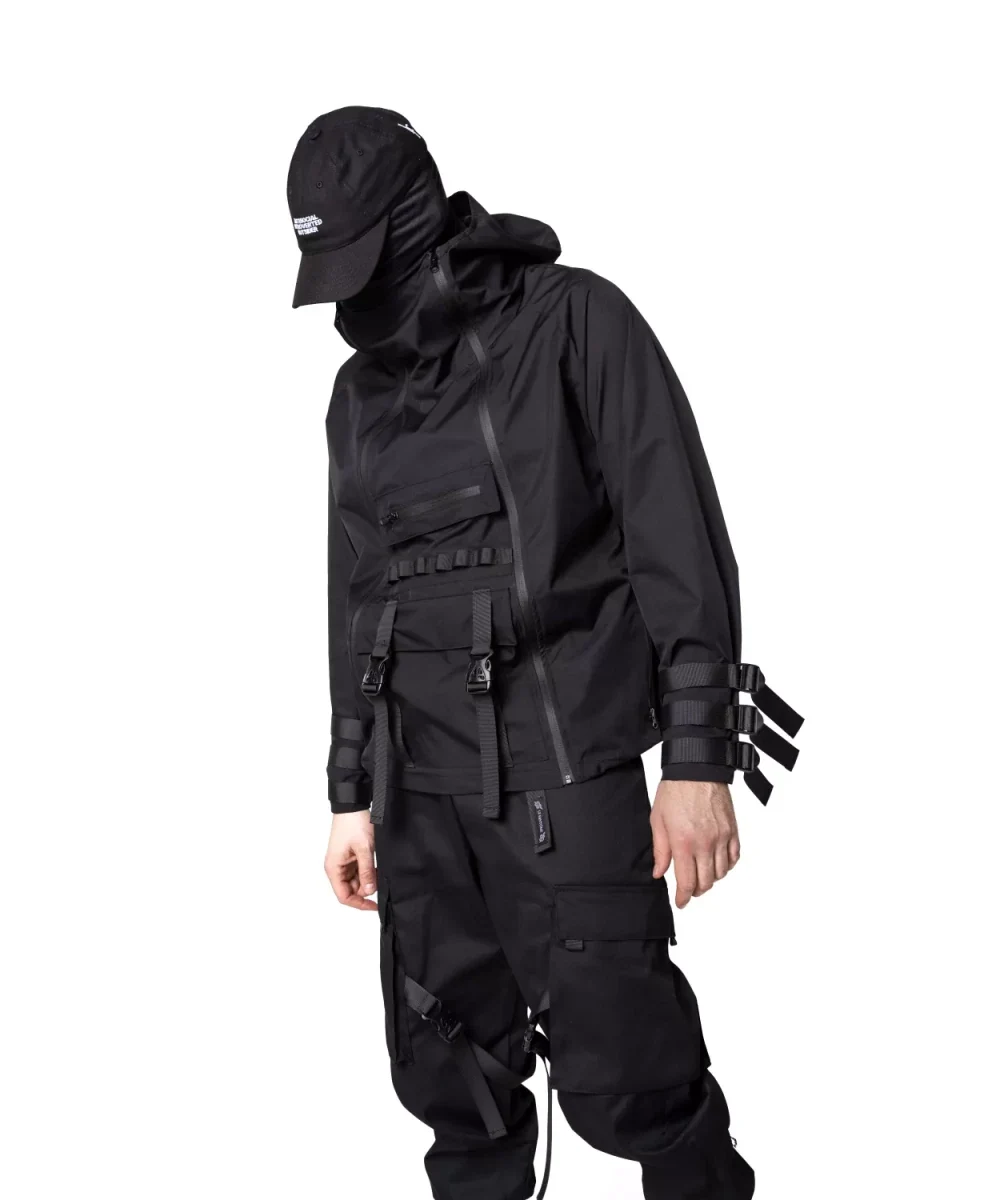
Mix them through a shared line
You can combine a practical outer layer with a more expressive cargo shape. Or wear a fashion harness over a familiar base and keep the trousers simple. A repeated line, a related buckle shape or a consistent surface can hold the outfit together.
Before adding accessories, try what the garments already provide. Adjust the pieces as designed, move in the full outfit and notice any loose detail that catches. The finished look should work at the pace you intend to wear it.
Choose the function you need and the form you want to carry. There is room to build your own balance between them.