
What to Wear to a Techno Festival: Day to Night
One outfit, changing conditions. A guide to choosing a base, carrying your layers and adjusting a techno festival look from daylight into the night.
At three in the afternoon, you want less fabric. Hours later, you are standing outside, pulling your sleeves over your hands. A festival outfit has to make sense at both points.
For an outdoor techno festival, start with a comfortable base, choose shorts or trousers for the conditions, and add layers you can remove and carry. Plan the shoes, pockets and outer layer alongside the silhouette. The day is longer than the moment in the mirror.
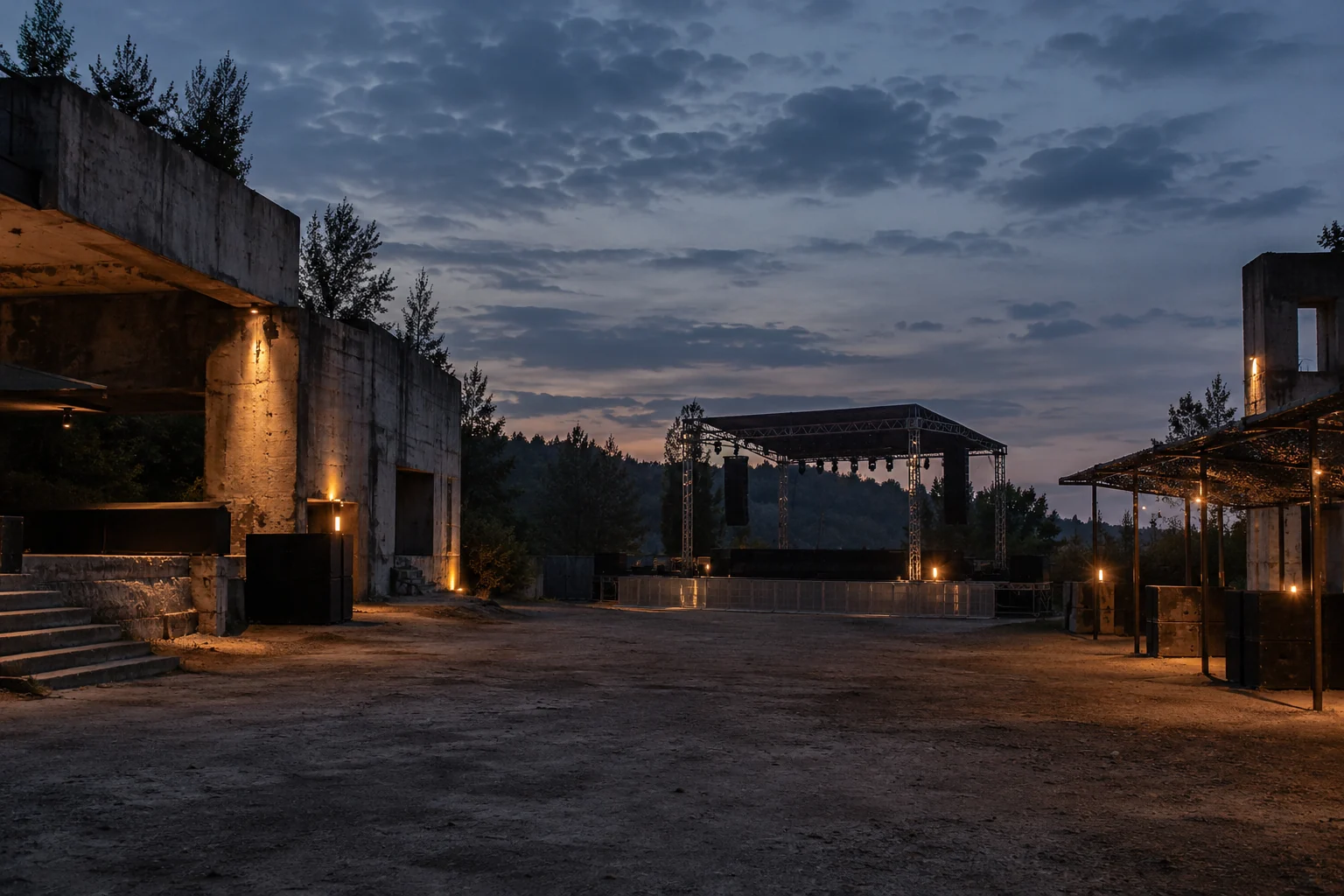
Plan for three parts of the day
Think about the daytime set, the later outdoor hours and the journey back. Check the forecast close to the event, including overnight temperature, wind and rain. Read the organiser's information for surface conditions, shelter, lockers and re-entry. A place to leave a jacket can change how much you need to carry.
An indoor stage may feel very different from the open space between stages. Choose an outfit you can adjust in small steps. If the only adjustment available is removing your entire top layer, you may want a lighter middle layer too.
Give the base room to move
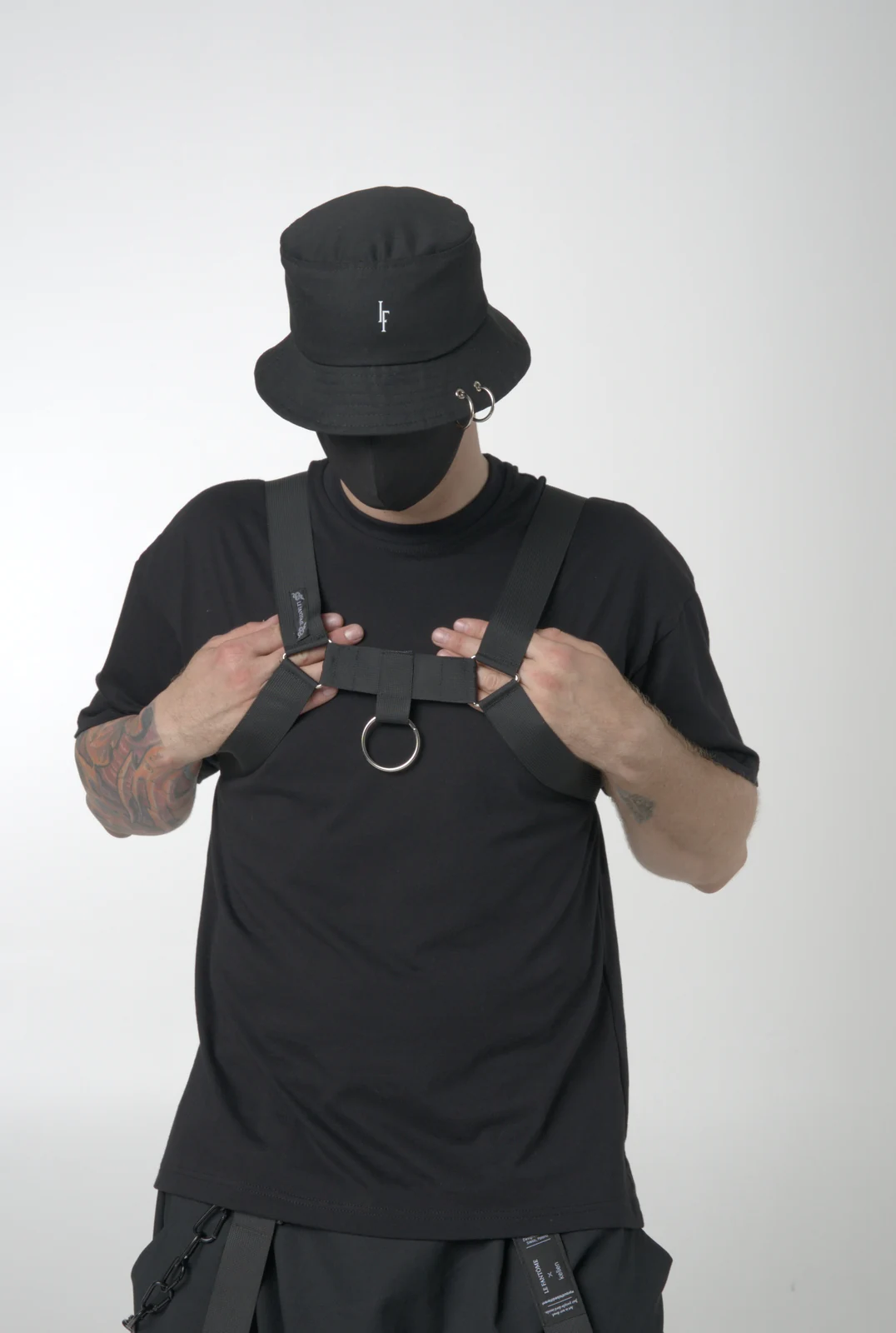
A T-shirt, fitted top or bodysuit can all be a starting point. Choose the cut you enjoy wearing, then check how it feels beneath the layers you will add later. A wide sleeve can bunch inside a narrow jacket; a bulky seam can become more noticeable under a bag strap.
Look at the material and construction of each piece. Fabric weight, how closely it sits against you and how much of the body it covers all affect the experience of wearing it. A dark colour or a technical-looking pocket says little about the fabric on its own.
Explore festival clothing by the job each piece needs to do. You may already own the right base. Add the part that changes the silhouette or solves a specific problem.
Shorts or trousers: start with the conditions
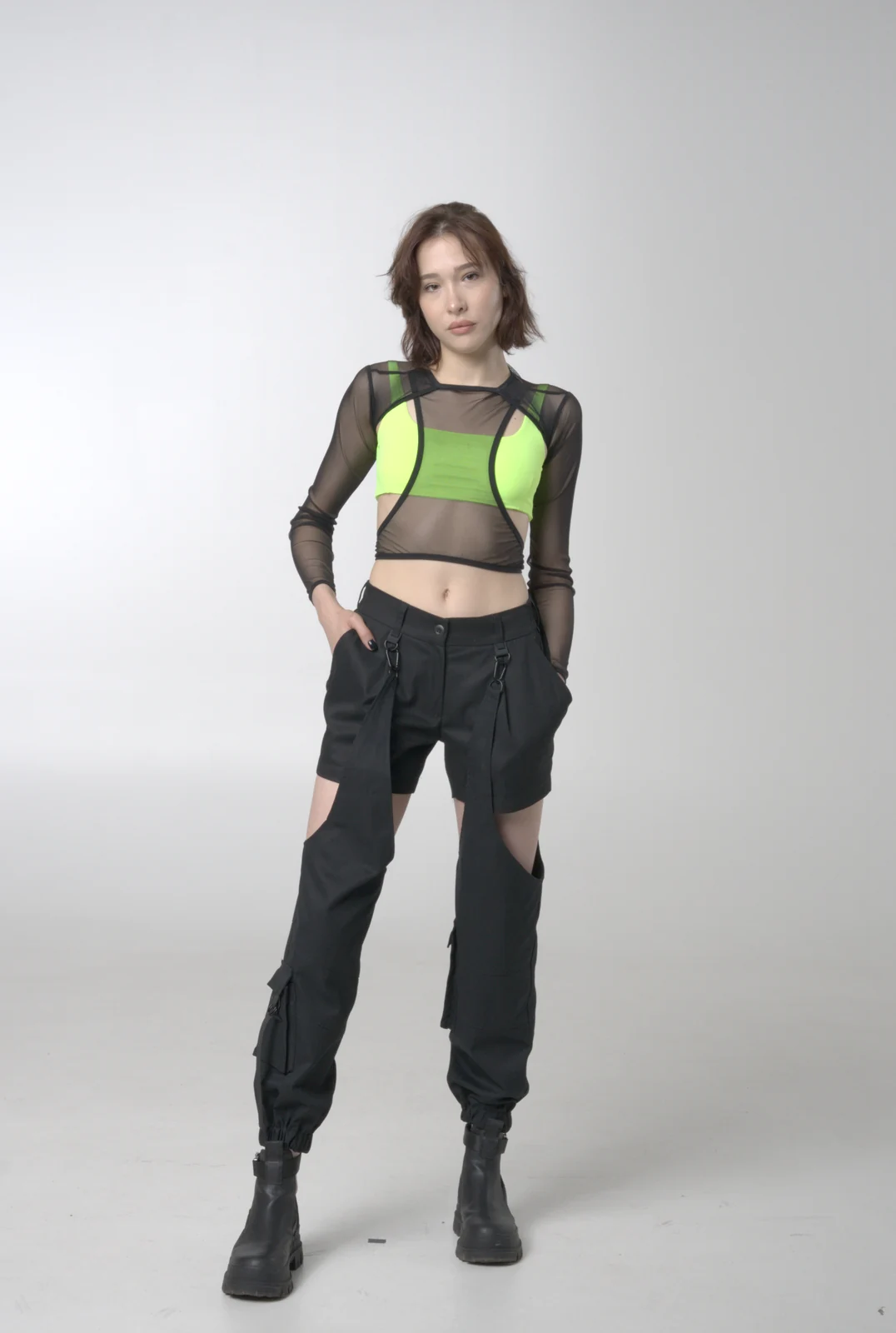
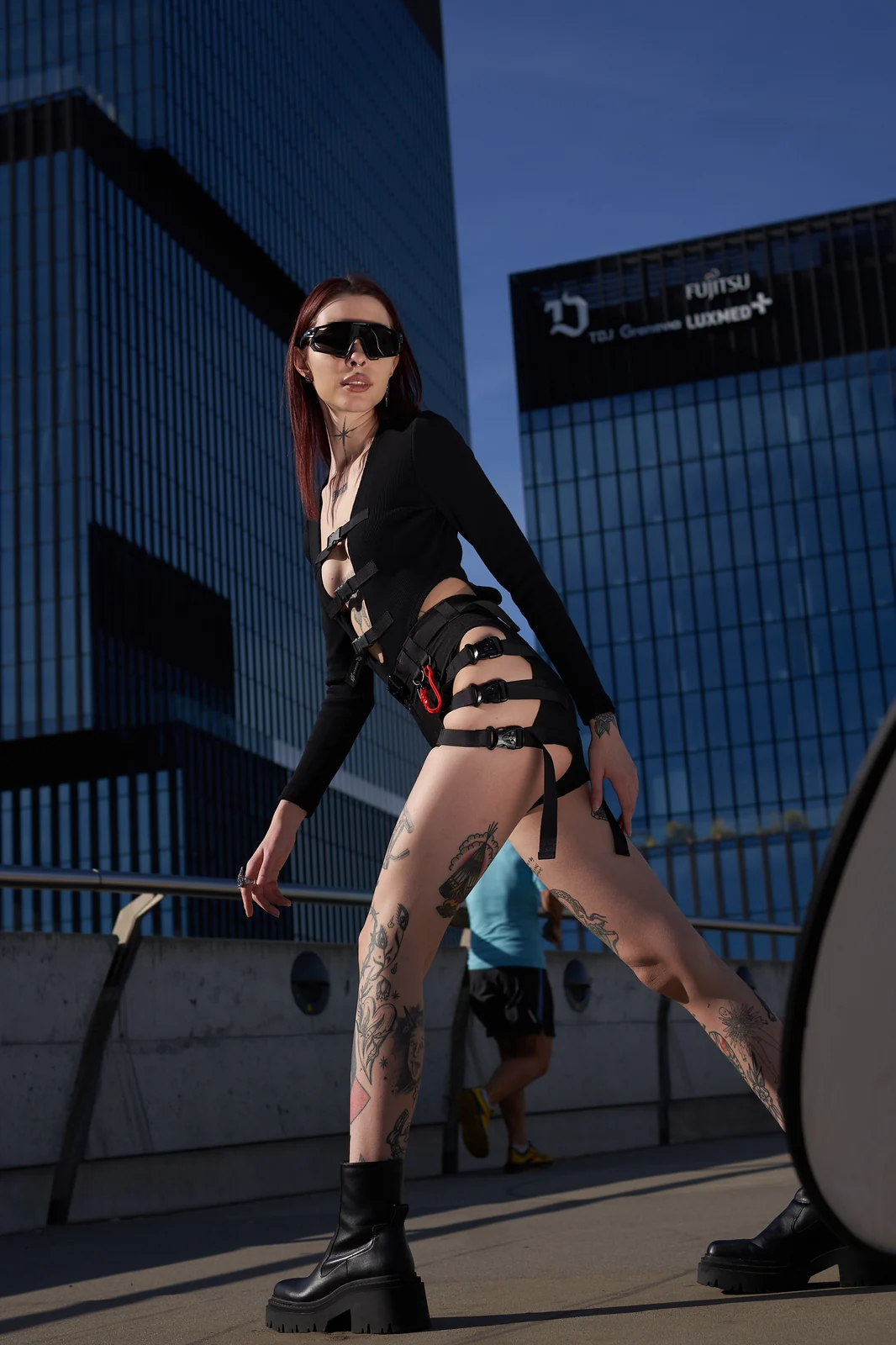
Rave shorts can suit a warm daytime setting and create space around the legs. Think ahead to the evening: a top layer does not add coverage to bare legs. If the forecast turns cold, longer trousers may make more sense for the whole event.
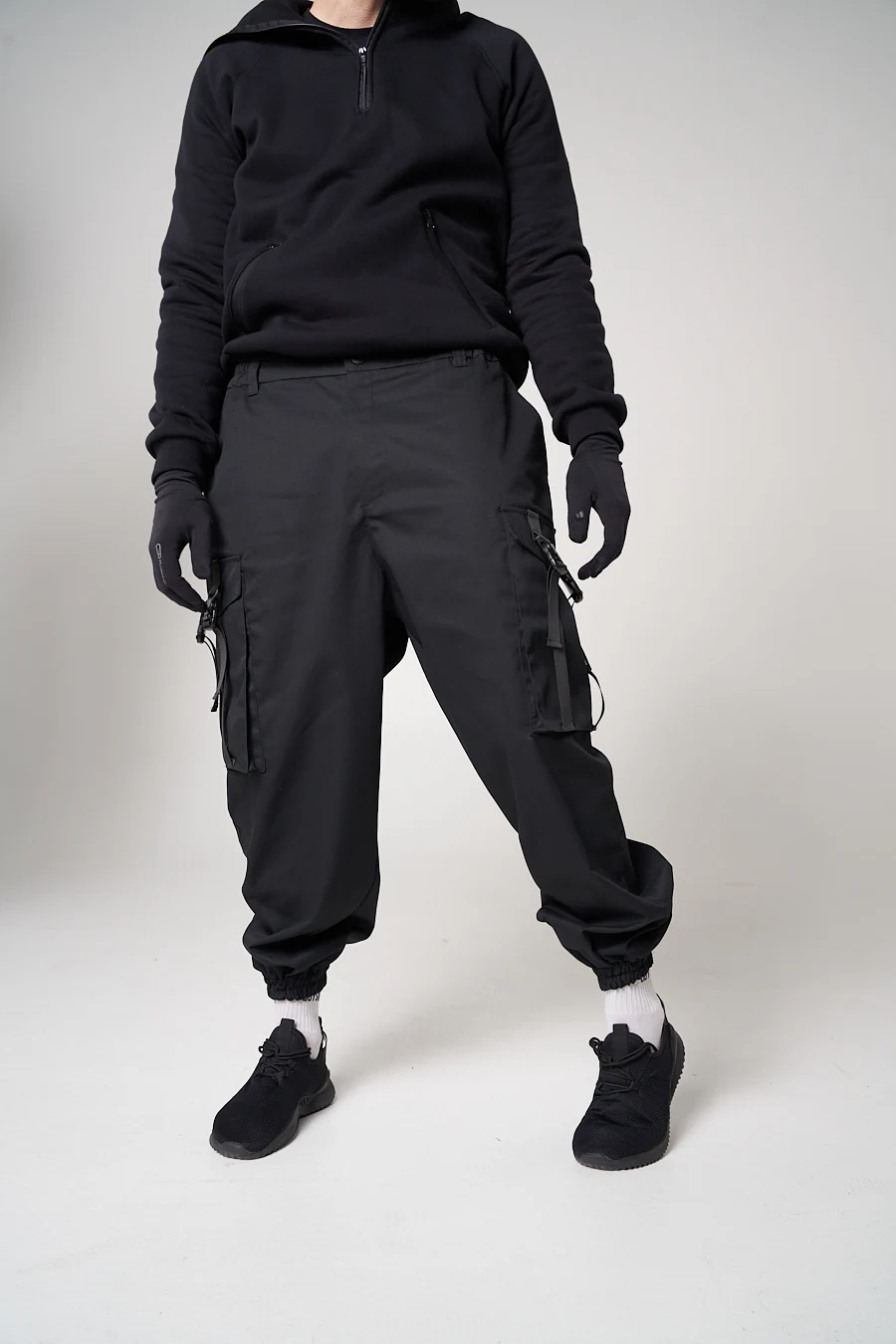
Rave pants give more leg coverage and more scope for a loose, structured outline. Check the hem against your shoes and the ground. A floor-length leg that works on a clean studio floor may drag through mud at a field event. An adjustable hem helps only when it stays set during movement.
For either option, test the waistband with filled pockets. A phone, ticket and keys can change the way a garment hangs. Keep the pocket contents manageable, and check the closures rather than judging storage by the number of pockets.
Choose an outer layer you can live with off your shoulders
The jacket needs somewhere to go when you take it off. That could be a locker, a permitted bag or a carrying system designed into that particular garment. Check the actual arrangement before the event; a bulky layer is a very different object once you have carried it for an hour.
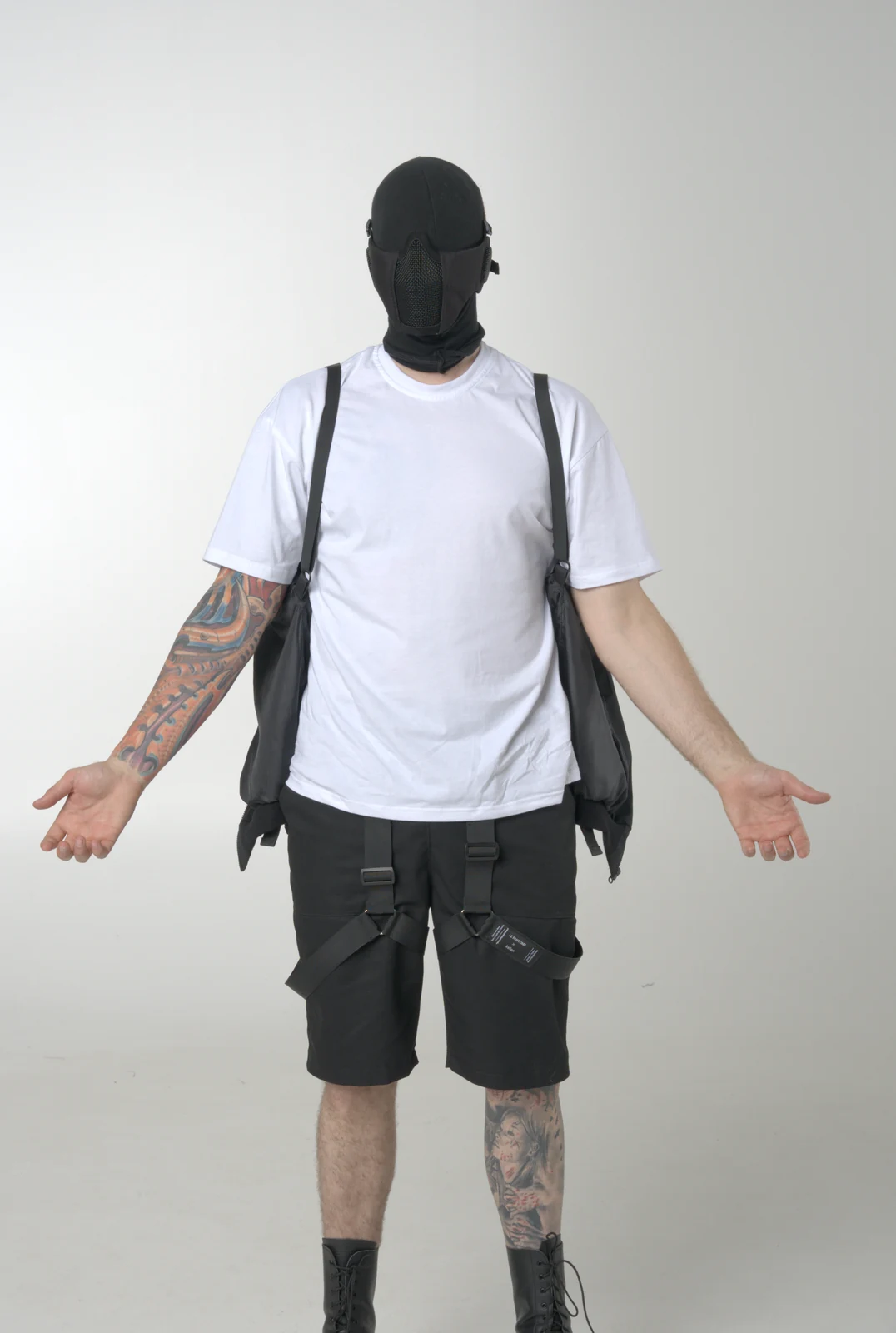
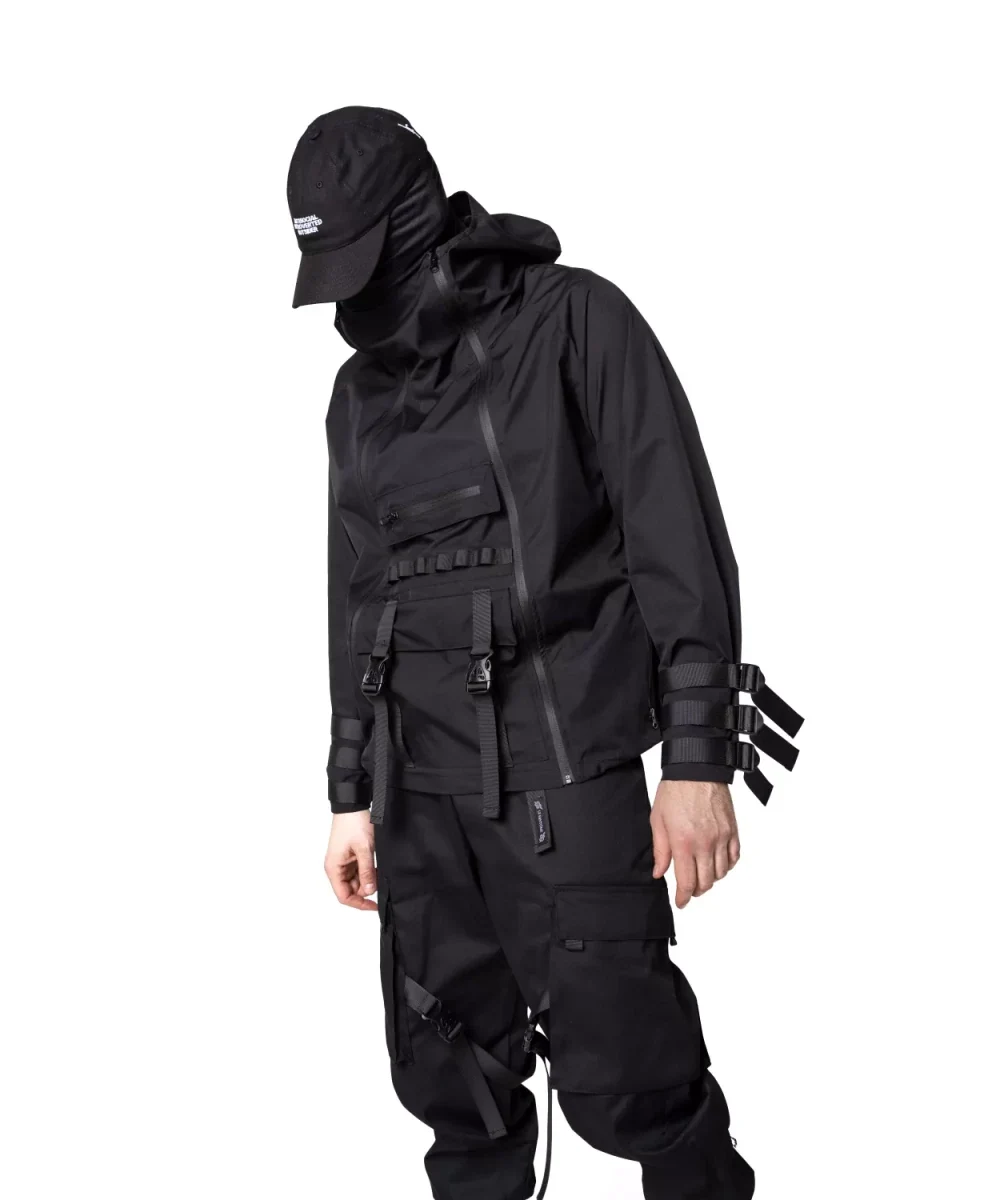
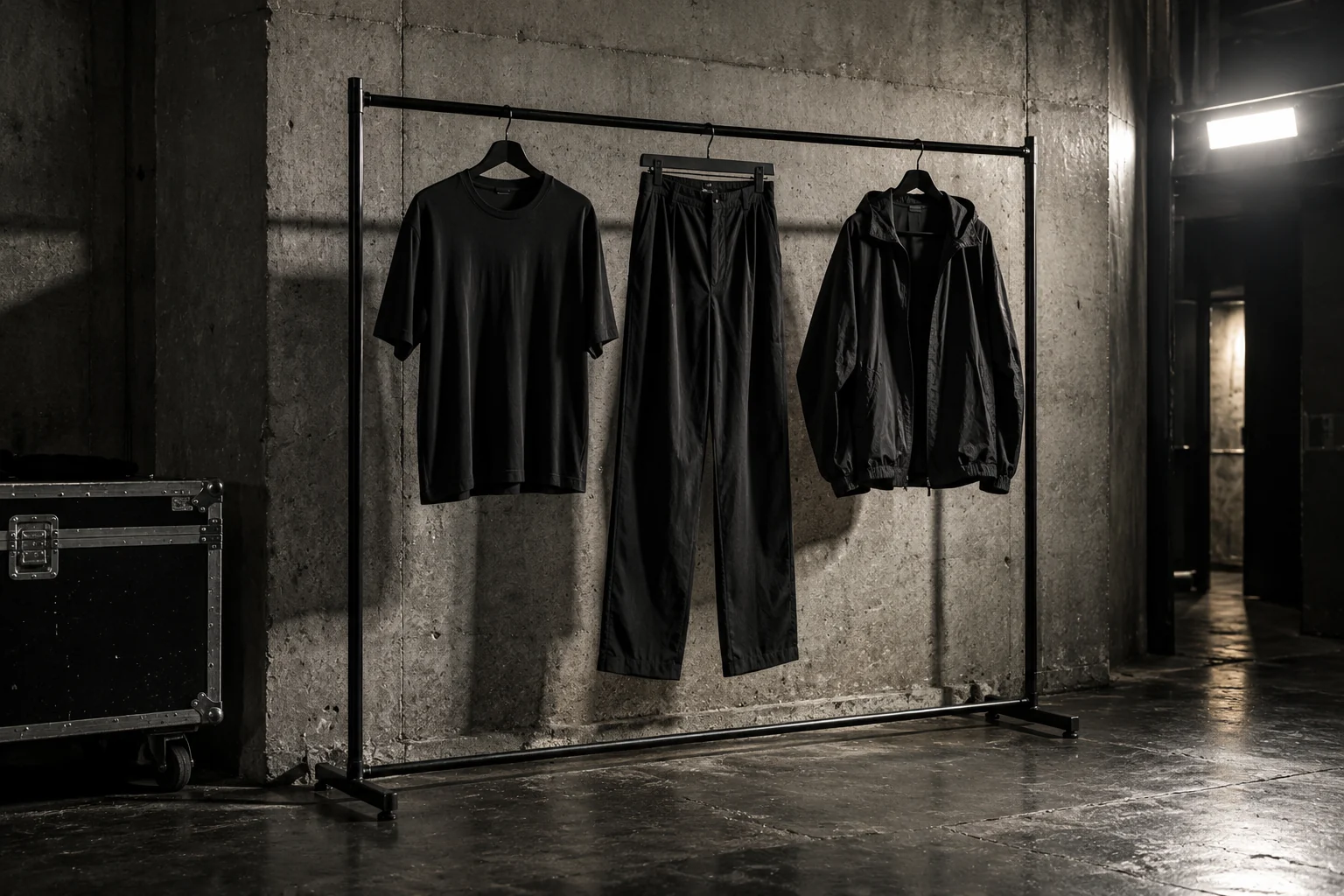
When browsing rave jackets, distinguish the shape you want from the weather performance you need. A bomber silhouette does not automatically mean waterproof construction. For rain, look for the specific garment's stated protection and check whether the seams and closures support that claim.
A hoodie can be a useful middle layer when the temperature falls. Consider its bulk under the jacket and its weight in your bag. Choose the thickness for the conditions rather than adding the heaviest piece by default.
Keep the outfit coherent as the layers change
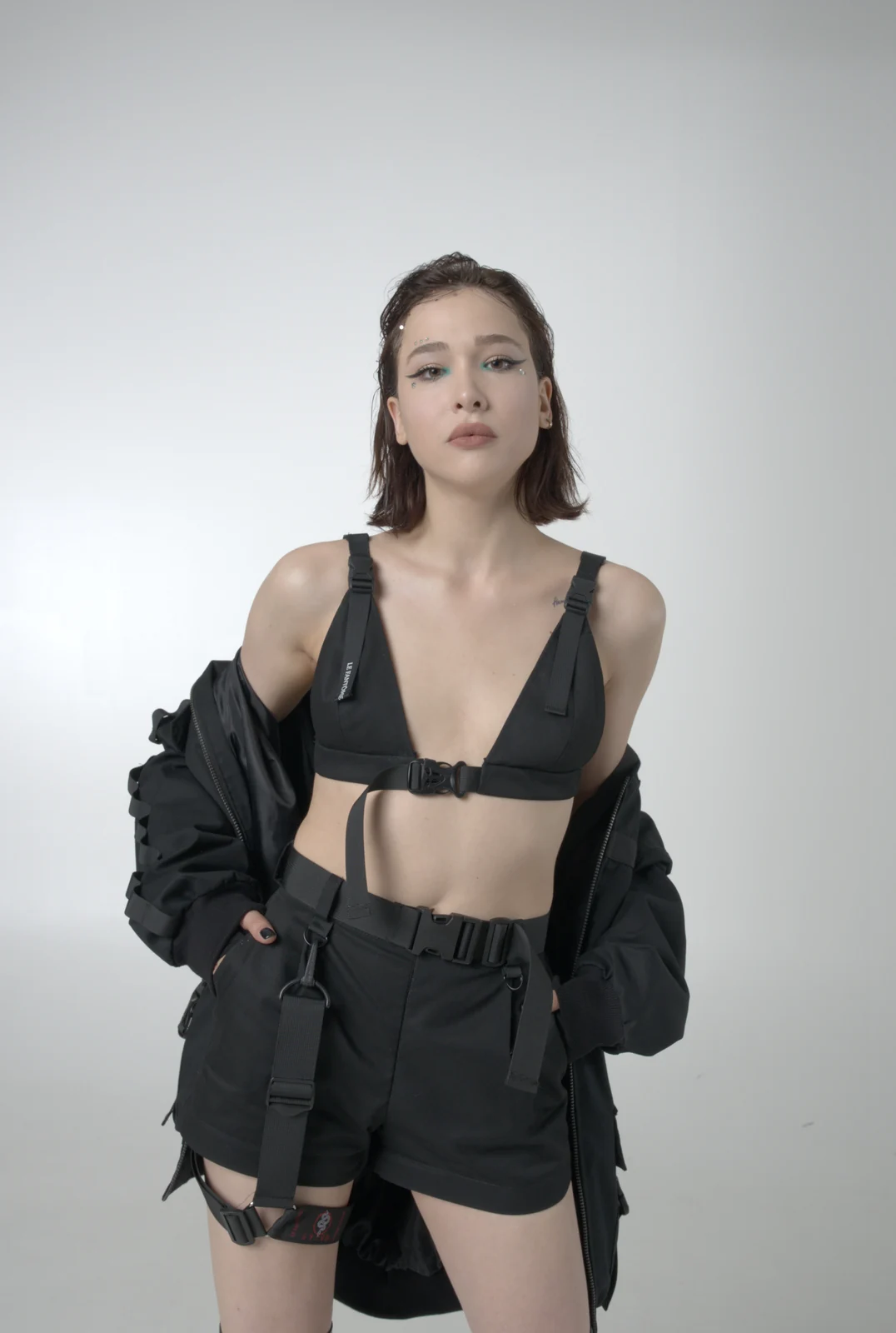
Build two versions in front of the mirror: the base on its own and the full outfit. A fitted top with a wide leg can remain clear beneath an open jacket. A large top over large trousers creates a different shape; a shorter outer layer or visible waistband can give it definition.
In a dark palette, contrast can come from surface and volume. Matte fabric beside mesh. A broad sleeve against a close waist. One line of webbing against a plain panel. You can carry the same idea through each layer without repeating every detail.
Ground conditions decide the shoes
Look beyond the stage photographs. You may walk over gravel, uneven ground or a wet field before reaching the music. Choose shoes you already know, with a sole and level of coverage suitable for that route. Check the fit after walking, using the socks you plan to wear.
Try the footwear with the trousers too. A wider boot can change how a narrow cuff sits; a low shoe may leave a long hem dragging. Take a walk in the complete outfit. The relationship between those two pieces matters more than either one in isolation.
A simple day-to-night plan
- Day: wear the base and leg shape you tested; keep the removable layer in its planned place.
- Evening: add the middle or outer layer before you become uncomfortable standing outside. Check the forecast again if conditions change.
- Leaving: put the full travel outfit back together. Make sure you can reach your essentials without unpacking everything at the exit.
For a multi-day festival, plan how used clothes will dry or be stored and what you will change into. Repeating a silhouette is easy; relying on one damp garment for the following night is less convenient. Follow the care label for the individual piece.
Questions worth settling before the gates
Is an all-black outfit suitable for a summer festival?
It can be a style choice, but colour alone does not make an outfit suitable for the conditions. Consider exposure, coverage, fabric, fit and the forecast. Choose a lighter arrangement when that feels better to wear.
Can I take a large bag for my layers?
Check the event's published bag rules first. Size limits, permitted items and locker availability vary. Plan within the rules for that event.
Do I need a separate outfit for the night?
Often you can adjust one base with layers. A full change may be more practical if you are camping, if the weather is wet or if you have somewhere secure to leave it.
Start with LF techno festival clothing. Choose the silhouette you want, then make it work across the hours you will actually wear it.