
What to Wear to a Rave: A Guide for Your First Night
A first-night guide to fit, layers and movement. Three outfit starting points, the details worth testing at home, and a short check before you leave.
Your first rave starts long before the first track. You try something on, turn towards the mirror, then wonder whether you can actually spend the night in it. Start there: with how the clothes feel when you move.
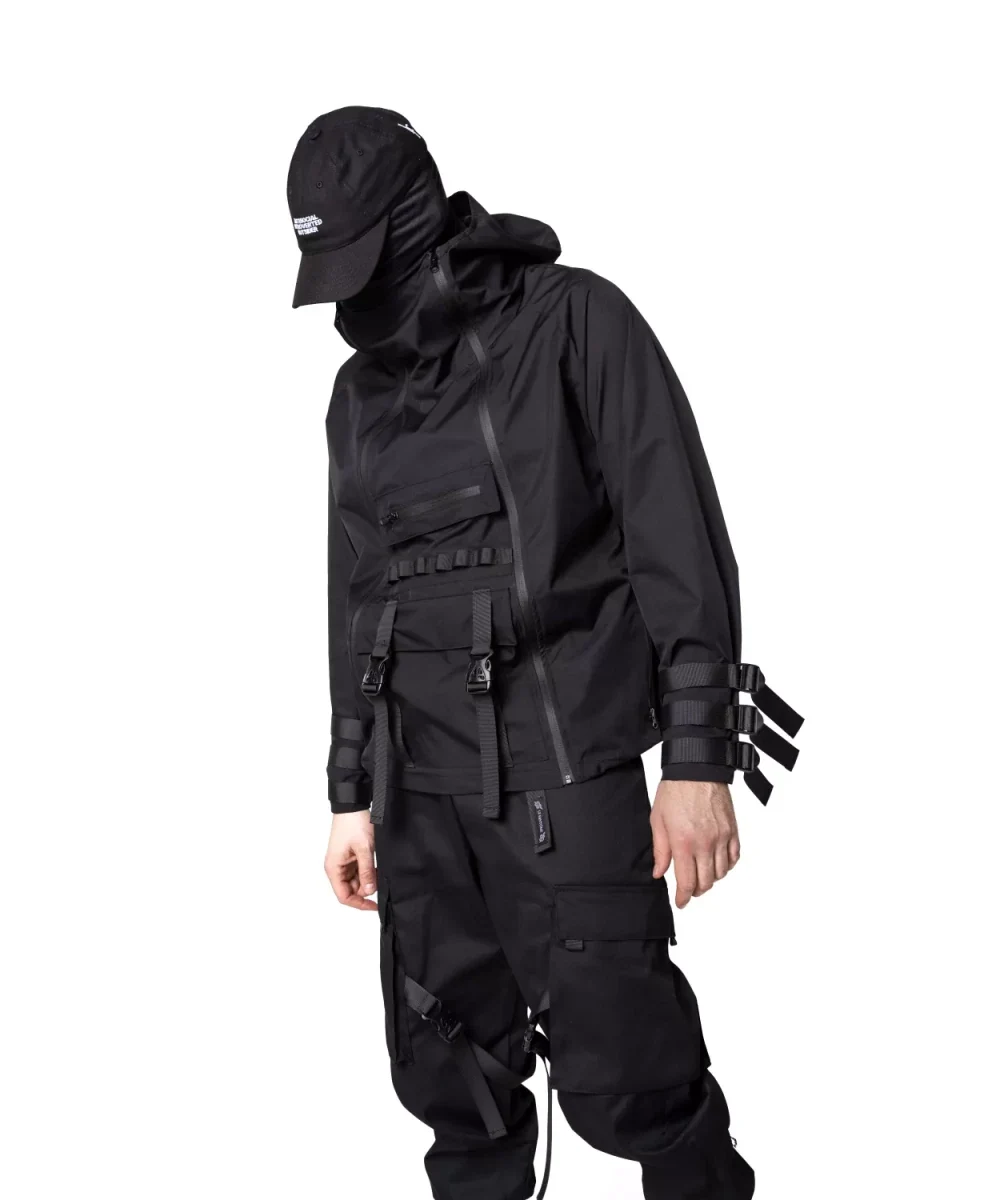
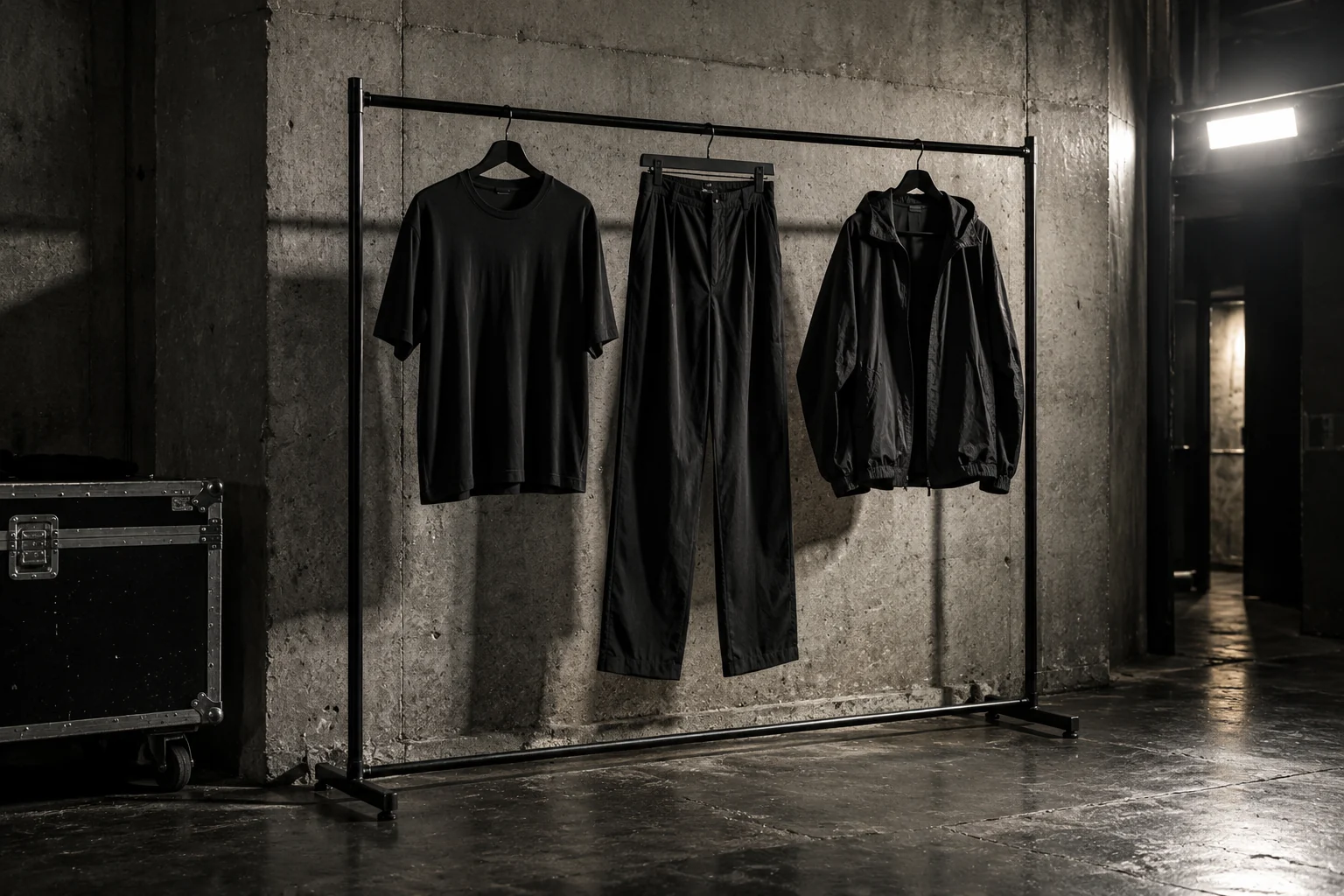
Wear a comfortable base, trousers or shorts that let you bend and step freely, shoes you already know, and a layer you can take off. Add the shape and details that feel like you. At LE FANTÔME, that often means a dark palette, a loose leg, a close-fitting top and a deliberate change in proportion.
Read the room before you build the outfit
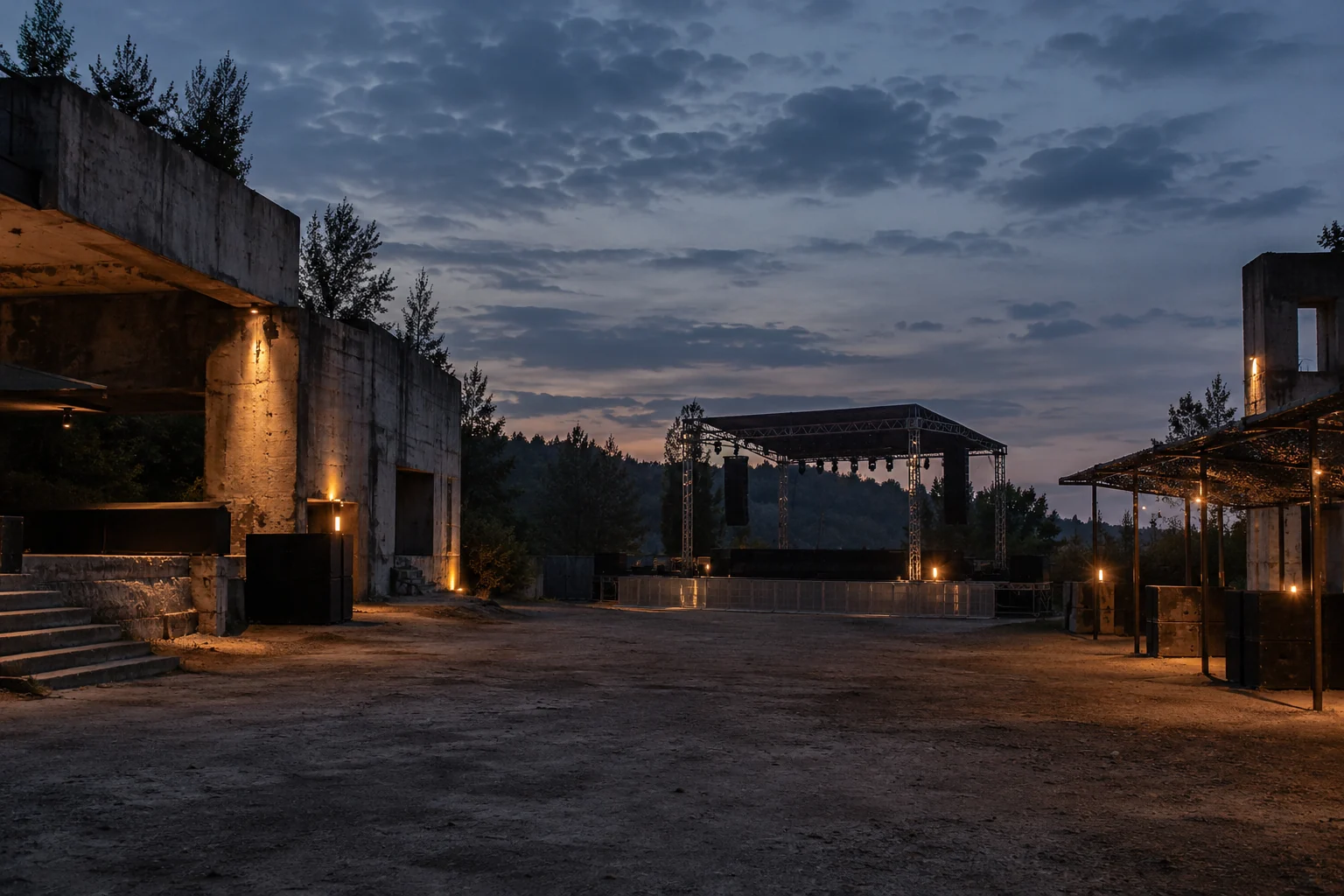
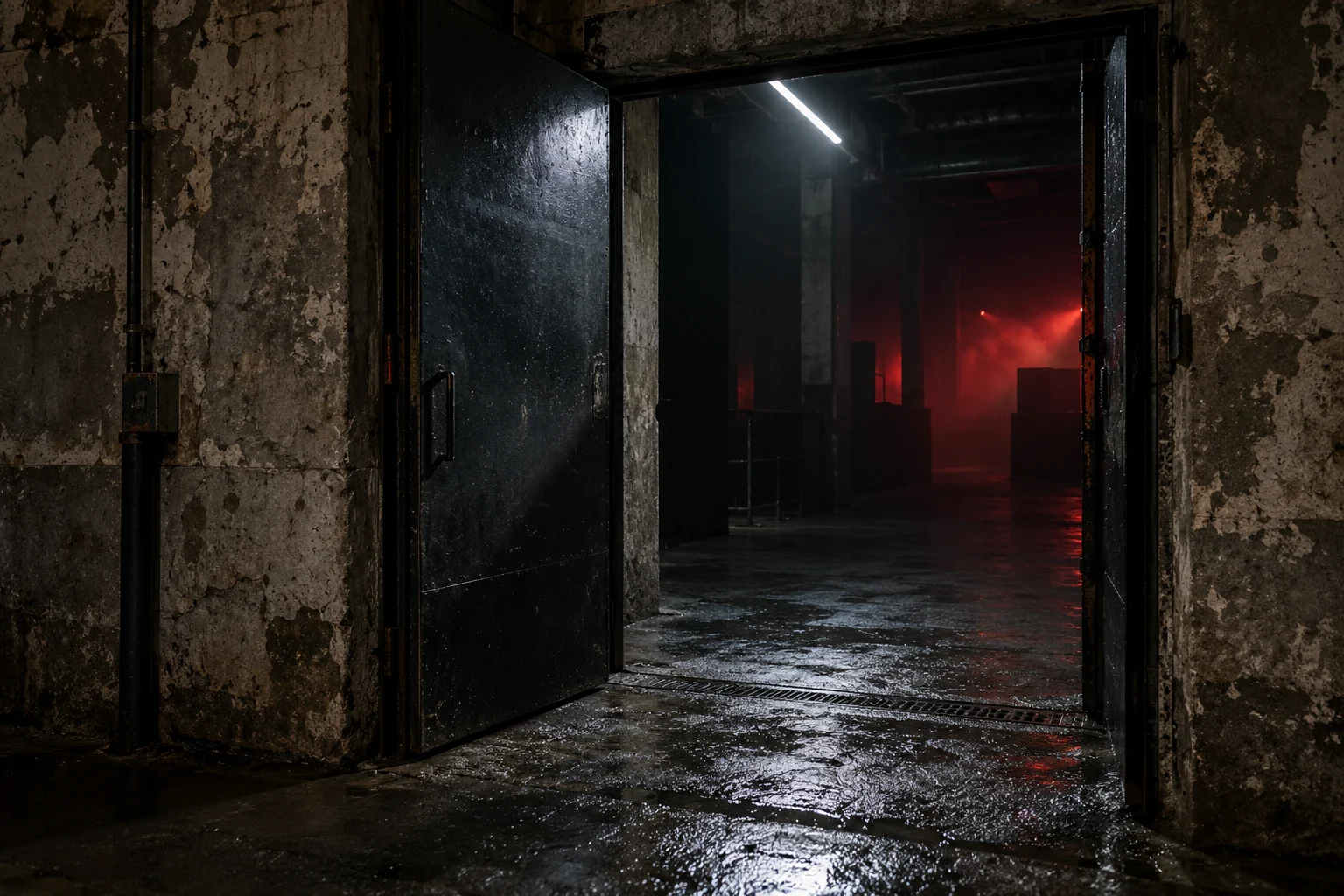
A small indoor club, an outdoor day event and a warehouse night ask different things of your clothes. Look at the organiser's venue information, dress guidance, bag rules and cloakroom arrangements. Check the forecast for the journey as well as the event.
Recent photos from that specific night or venue can help you understand the atmosphere. Treat them as a reference, rather than a uniform. Rave clothing can be colourful, minimal, covered or revealing; a black outfit is one direction among many. Pick the version you want to spend time in.
Build from one piece you already trust
Choose your starting point: a T-shirt you like against your skin, a bodysuit with a secure fit, or a pair of trousers whose waistband stays where you put it. Build around that piece. A first night is easier to dress for when every item does not need testing at once.
Try the complete outfit at home, including the underwear, socks and bag you plan to use. Raise your arms, squat and take a few long steps. Check whether a neckline shifts, a waistband digs in or a strap catches. Spend more than a moment in front of the mirror; movement reveals what a still image misses.
Choose pants or shorts for the space you need
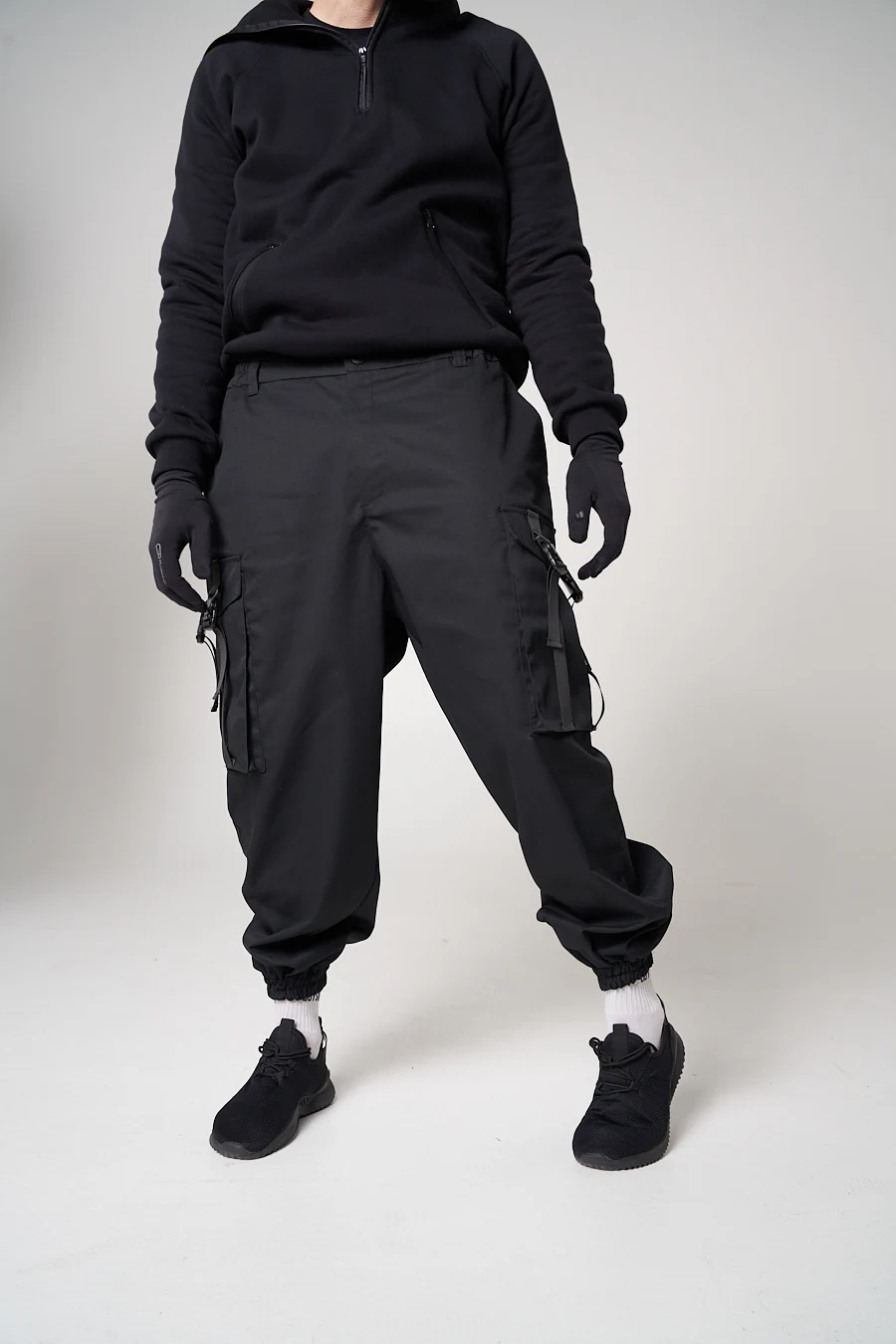
With rave pants, look at the whole leg. Room through the hip and knee can make a loose silhouette easier to move in, while an adjustable hem can help you set the length. Check that the fabric clears the floor in the shoes you will wear. More width needs a little more attention around your feet.
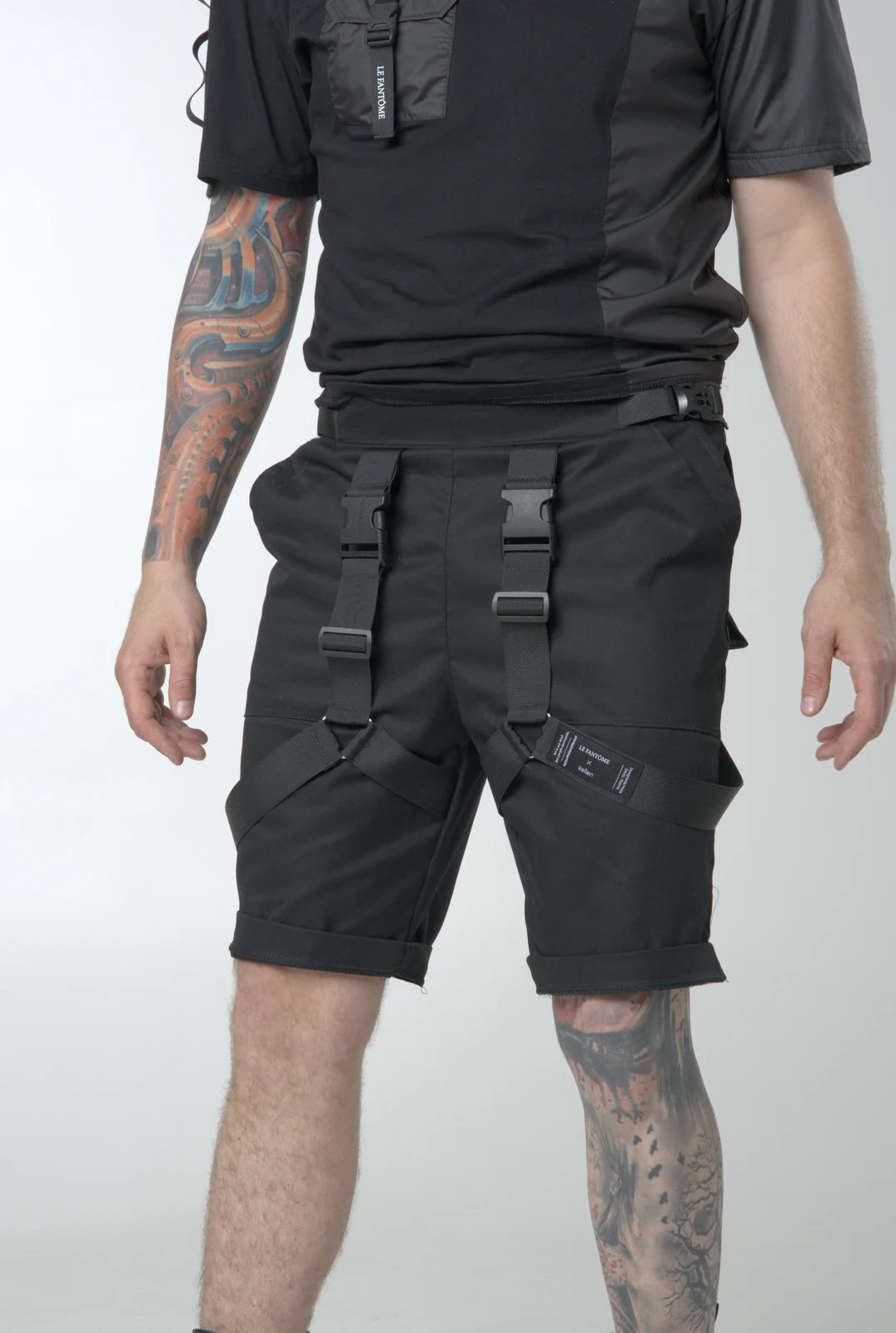
Rave shorts keep the silhouette lighter and leave more of the leg uncovered. They can work for a warm room or a summer event, provided you have also thought about the queue and the trip home. Pockets are useful when their contents stay secure and do not pull the shorts out of shape. Test them with your phone inside.
Keep the top in balance with the bottom
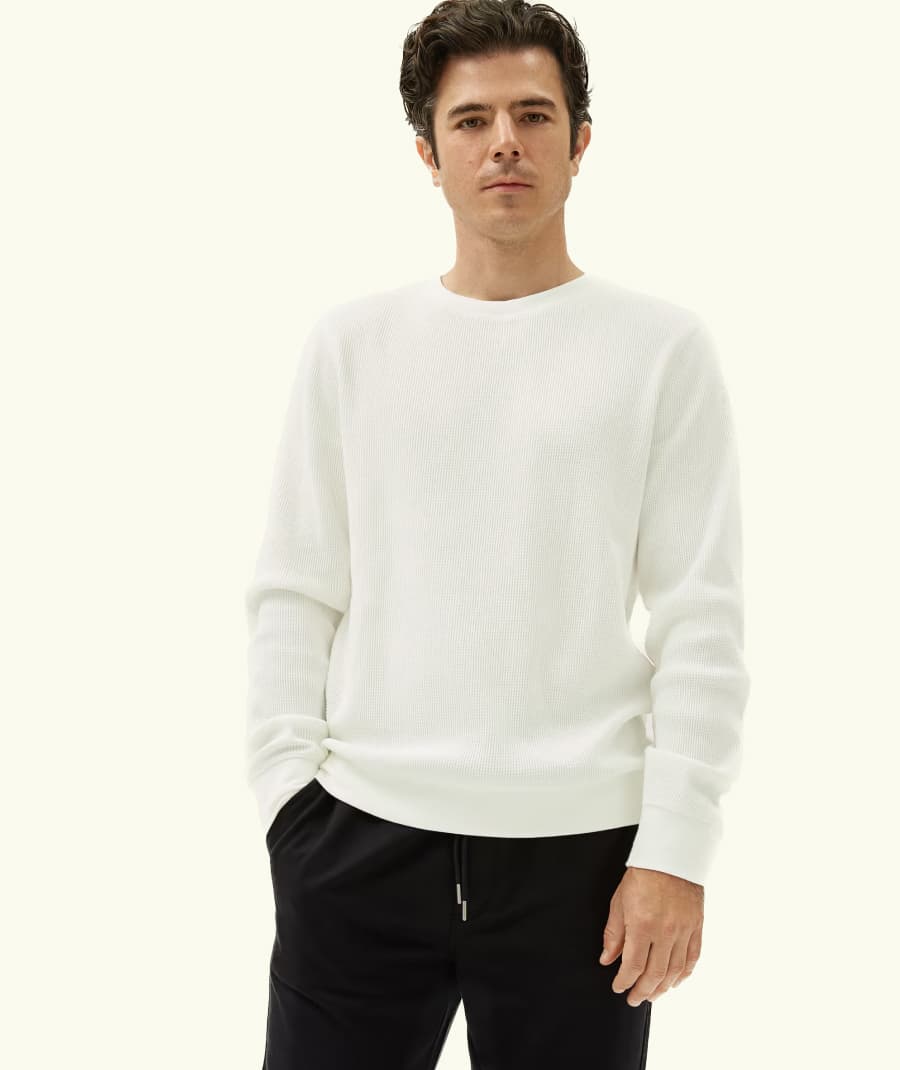
A close-fitting top and a wide leg create a clear difference in volume. A loose T-shirt and shorts make a more relaxed outline. If you prefer volume throughout, use the neckline, sleeve length or a visible waistband to give the outfit some definition.
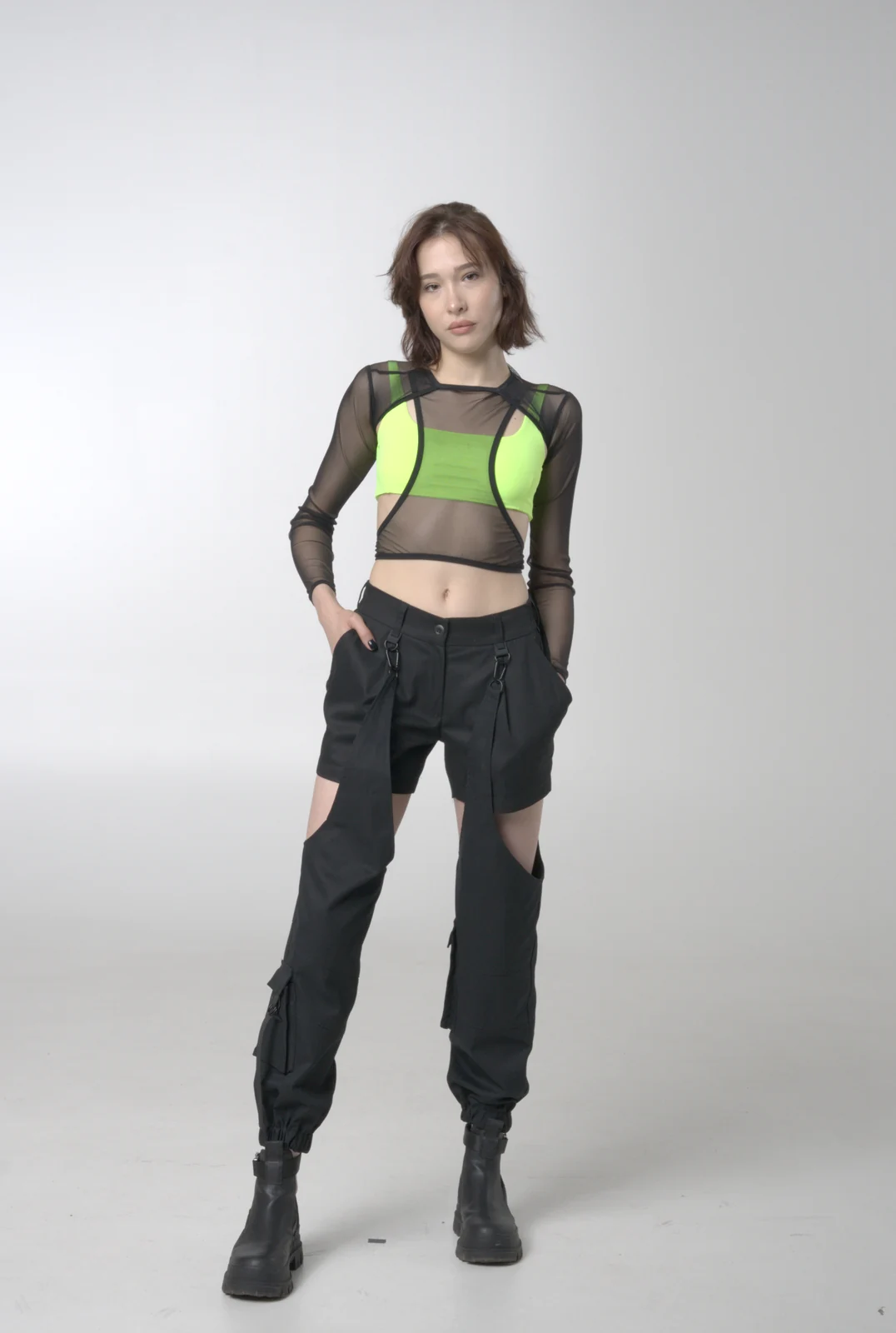
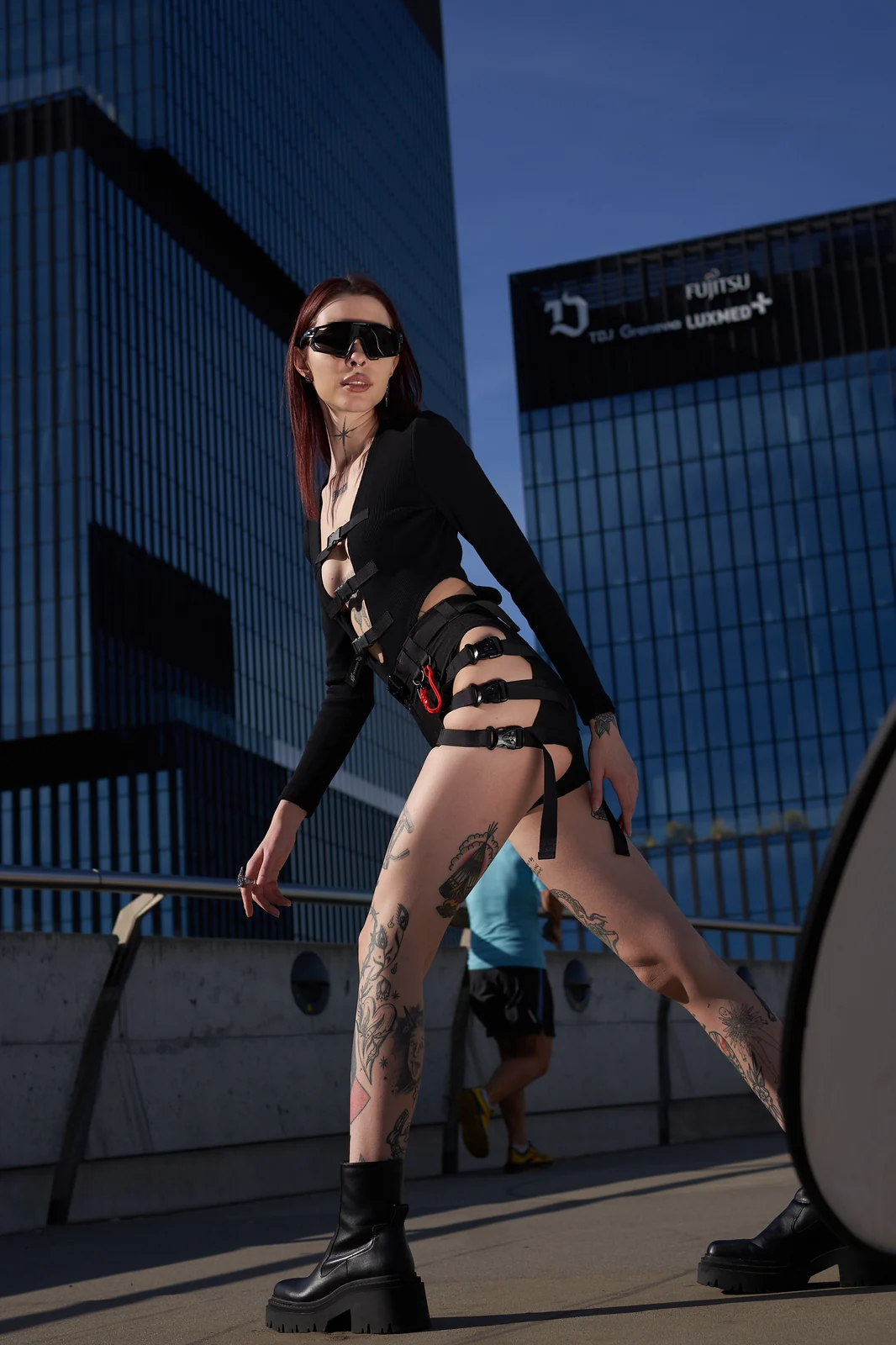
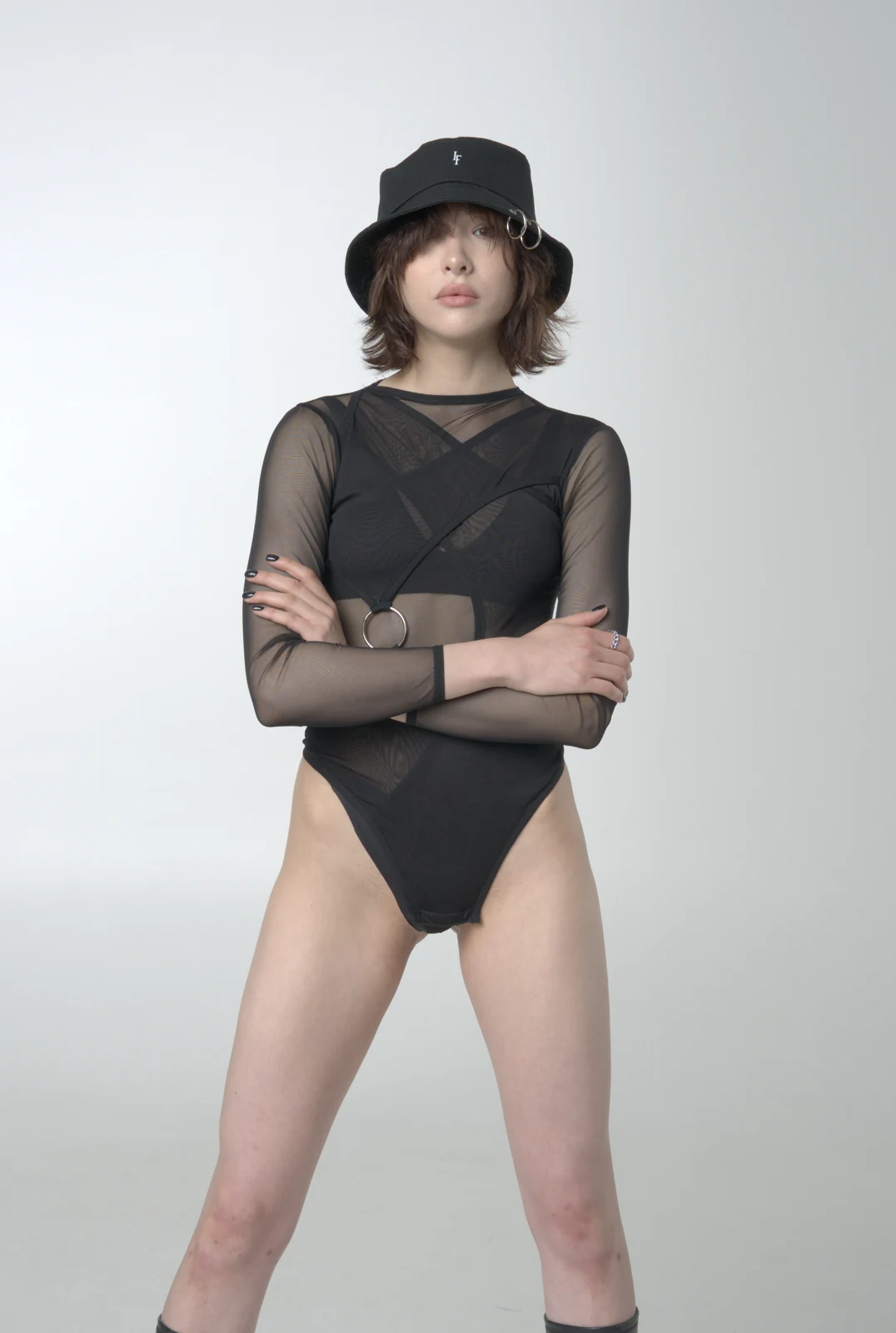
A cut-out bodysuit can be the main element of an outfit. Check the position of the openings on your own body and try it with the actual waistband you will wear. Mesh and cut-outs change coverage; their presence alone does not tell you how the complete garment handles heat. Read the individual fabric description and judge the fit in motion.
Plan where the outer layer goes
You may want a jacket outside and a lighter outfit inside. Choose a layer that fits your travel conditions, then decide where you will put it once you arrive. A confirmed cloakroom changes that decision. So does a bag large enough to carry it.
Browse rave hoodies with weight and volume in mind. A substantial hoodie gives a different shape and carrying load from a thin layer. If you intend to tie it around your waist, test the knot, the hanging sleeves and the way it moves against your legs.
Three starting points for a first rave outfit
- Loose and direct: a familiar T-shirt, relaxed cargo pants and worn-in trainers. Keep the hem off the floor. Let the leg shape do most of the work.
- Close above, wide below: a secure bodysuit with loose trousers. Choose the neckline and coverage you want, then check where the waistband sits over the bodysuit's panels and seams.
- A lighter silhouette: shorts, a simple top and a removable layer for outside. Use a secure pocket or a small bag for essentials, subject to the venue's rules.
These are starting points. Change the proportions, repeat a texture or add one detail you want to carry through the outfit. The same piece can sit very differently beside a fitted top or a long, loose layer.
Shoes and details: make them earn their place
Choose shoes you have already walked in for a decent length of time. Try them with the outfit's actual socks and hems. New boots may look right in the mirror, but the first rave is a poor moment to discover where they rub.
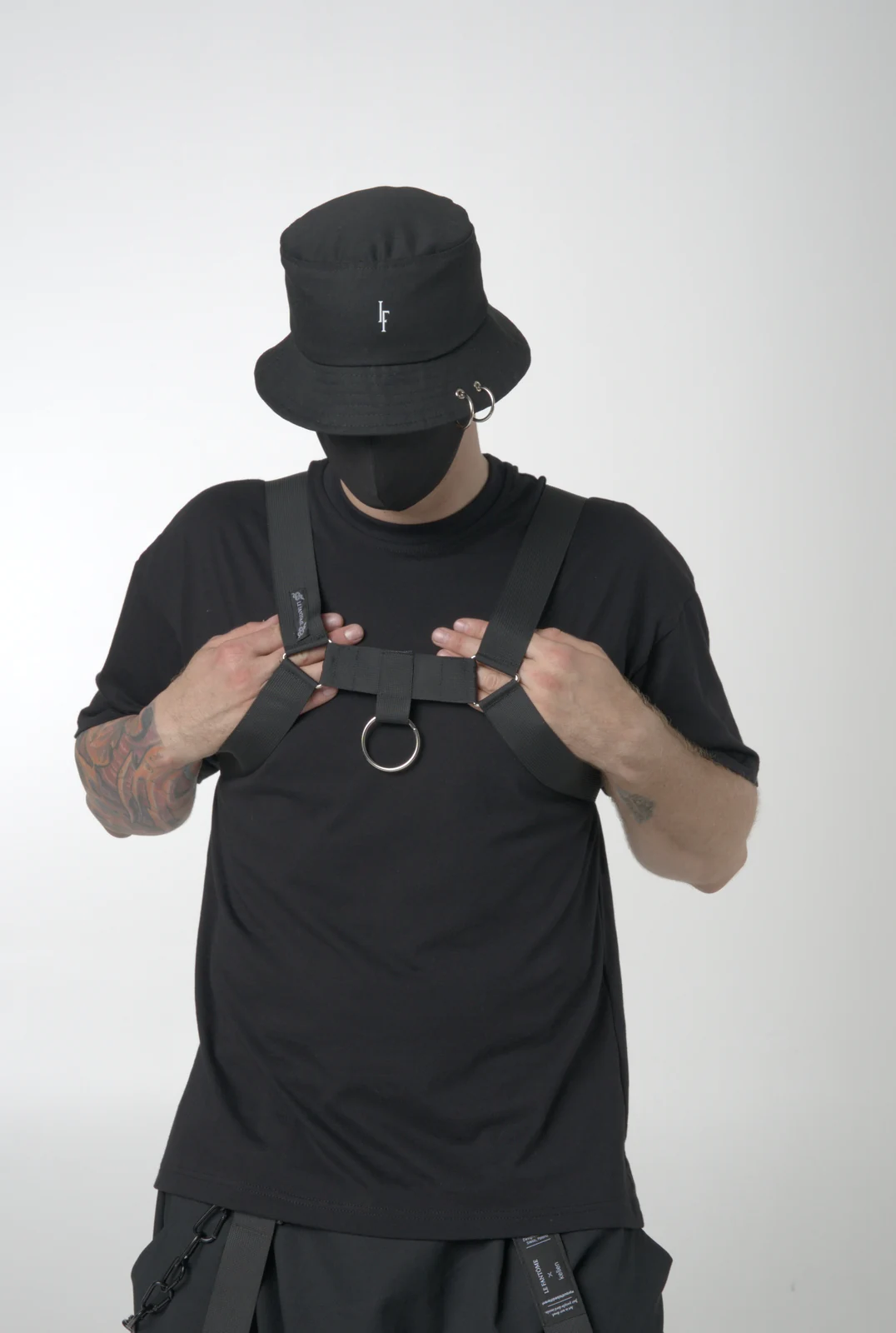
Give straps, chains and jewellery the same movement test as the clothes. Notice anything that swings into your legs, catches on fabric or repeatedly needs adjusting. A detail works better when you can leave it alone. Check any venue restrictions before bringing a heavy chain or substantial metal accessory.
A final check before you leave
- You can sit, bend and raise your arms in the complete outfit.
- Hems, straps and laces stay clear of your feet.
- Your phone and essentials fit securely without distorting the clothes.
- You have checked entry guidance, bag rules and your plan for the outer layer.
- The outfit works for your journey home as well as the room.
First-rave questions
Can I wear ordinary clothes to a rave?
Yes, subject to the event's own dress guidance. A T-shirt and comfortable trousers can be a complete outfit. Start with pieces you enjoy wearing and change one proportion or detail if you want to explore something new.
Do I have to wear black?
No. LF's dark palette is a choice of expression. Colour, prints and reflective details have their place too. Check the setting, then choose what feels right to you.
Should I wear a hoodie inside?
That depends on the room, the hoodie and how warm you feel. Plan a removable layer and somewhere to keep it, so you can adjust without carrying more than you intended.
Find your starting piece in LF rave clothing. Build the rest around how you want to move.